
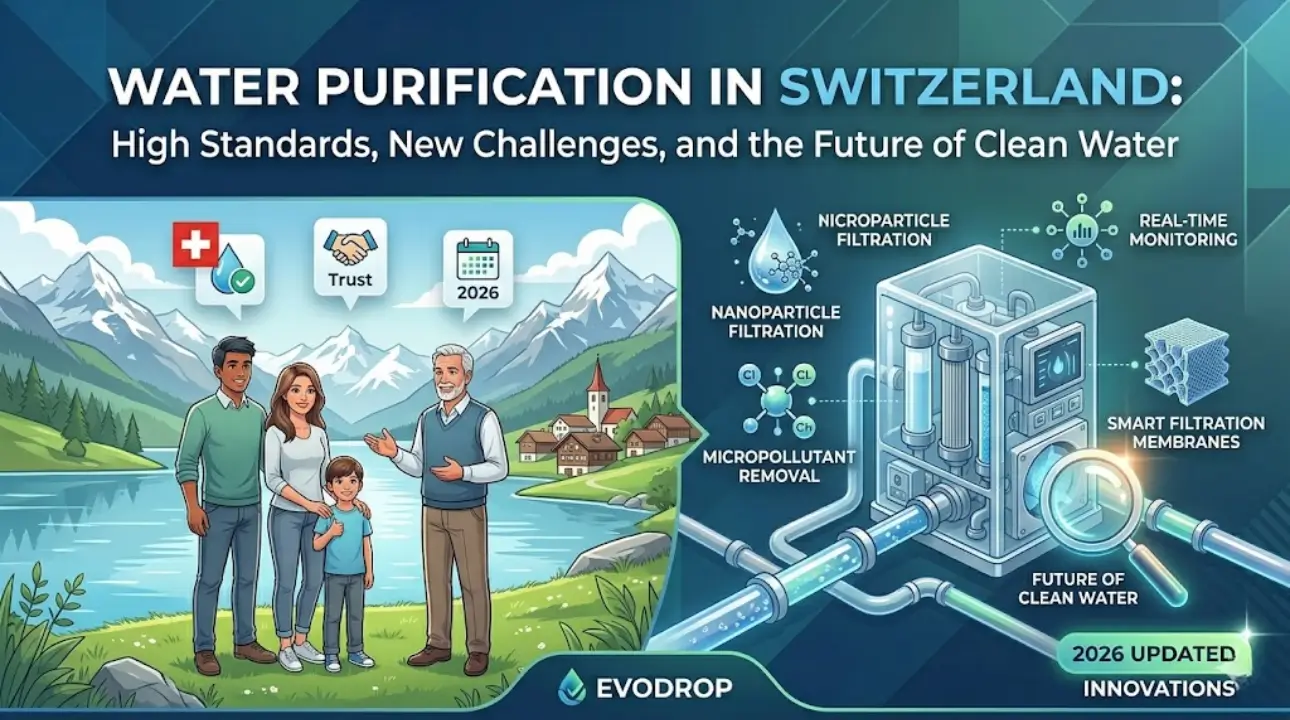
Water Purification in Switzerland: High Standards, New Challenges, and the Future of Clean Water
Introduction
Switzerland is often known for its clean environment, natural springs, and high-quality drinking water. In many regions, tap water is considered safe, fresh, and reliable.
However, even in a country with strong environmental standards, water purification is evolving. New contaminants, stricter regulations, and changing expectations are reshaping how water is treated and used.
High Standards of Drinking Water in Switzerland
Switzerland has one of the most strictly regulated water systems in the world. Authorities ensure that drinking water meets high safety requirements designed to protect public health.
Water suppliers are responsible for continuous monitoring, and cantonal laboratories regularly test water quality. In fact, drinking water is one of the most frequently analyzed food products in the country.
Most drinking water comes from:
- Groundwater
- Natural springs
- Lakes (after treatment)
In many cases, water requires only minimal treatment due to its naturally high quality.
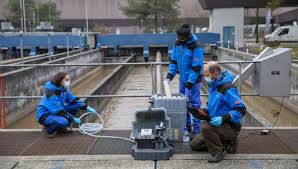
How Water Purification Works in Switzerland
Water purification in Switzerland typically involves a combination of natural and technical processes:
1. Natural Filtration
Groundwater and spring water are naturally filtered through soil and rock layers, which remove many impurities.
2. Basic Treatment Methods
Depending on the source, water may undergo:
- UV disinfection
- Ozonation
- Sand or activated carbon filtration
These methods are designed to eliminate bacteria, viruses, and organic substances while maintaining water quality.
3. Strict Monitoring and Control
Water providers must regularly test for:
- Microbial contamination
- Chemical substances
- Heavy metals
- Pesticides and residues
This continuous monitoring ensures that water remains safe for daily use.
Emerging Challenges in Water Purification
Despite high standards, Switzerland is not free from modern water challenges.
PFAS and “Forever Chemicals”
One of the biggest concerns today is PFAS. These chemicals are extremely persistent and can accumulate in water systems.
- PFAS have been detected in groundwater at nearly half of monitoring sites in Switzerland
- They do not break down easily and can remain in the environment for long periods
Although most levels remain within legal limits, their presence highlights the need for advanced treatment methods.
Micro-Pollutants and Pesticides
Modern agriculture and industry introduce trace substances into water systems, including:
- Pesticides
- Pharmaceutical residues
- Industrial chemicals
These substances are often present in very small amounts but are difficult to remove completely.
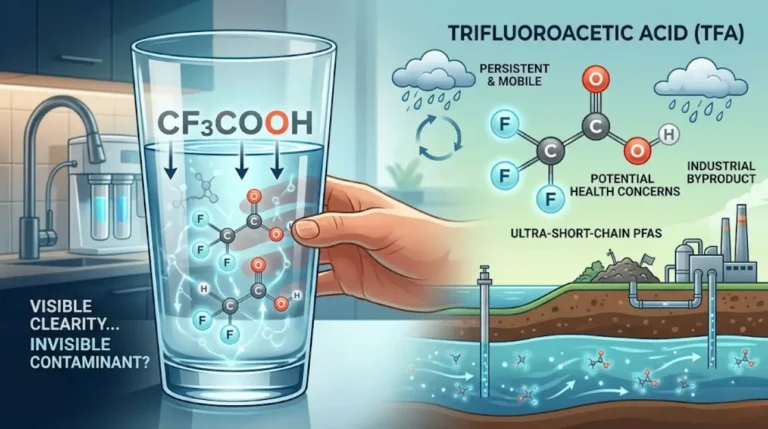
Trifluoroacetic Acid (TFA) and Small Molecules
Certain compounds like TFA have also been detected in Swiss water systems. These substances are:
- Highly soluble
- Difficult to filter
- Widely distributed
They represent a new category of contaminants that traditional systems were not designed to handle.
Are Current Systems Enough?
Swiss water treatment systems are highly effective for traditional contaminants. However, they were not originally designed to address all modern challenges.
For example:
- Boiling water does not remove PFAS
- Standard filtration may not eliminate all micro-pollutants
This creates a gap between existing infrastructure and emerging risks.
The Role of Home Water Purification
Because of these evolving challenges, more homeowners are considering additional water treatment systems at home.
These systems can help:
- Improve taste and odor
- Reduce limescale
- Address specific contaminants
- Increase confidence in drinking water
Modern solutions focus not only on purification but also on sustainability and efficiency.
A Shift Toward Sustainable Water Treatment
Water purification in Switzerland is moving toward a more balanced approach:
- Reducing environmental impact
- Minimizing chemical use
- Avoiding unnecessary waste
- Preserving beneficial minerals
This shift reflects a broader understanding that water treatment is not just about removing contaminants—it is about improving overall water quality responsibly.
The EVODROP Approach
EVODROP AG follows this modern philosophy by combining sustainability with advanced water technology.
Instead of relying on traditional salt-based methods, the focus is on:
- Salt-free limescale protection
- Reduced wastewater impact
- Long-term system efficiency
- Improved everyday water experience
This approach aligns with Switzerland’s broader goal of maintaining high water quality while protecting the environment.
Conclusion
Switzerland continues to set a global benchmark for drinking water quality. Strong regulations, natural resources, and advanced monitoring systems ensure that water remains safe and reliable. However, new challenges such as PFAS, micro-pollutants, and persistent chemicals like TFA are changing the landscape of water purification.
The future of clean water in Switzerland lies in combining traditional strengths with modern innovation. By adopting sustainable technologies and increasing awarene