
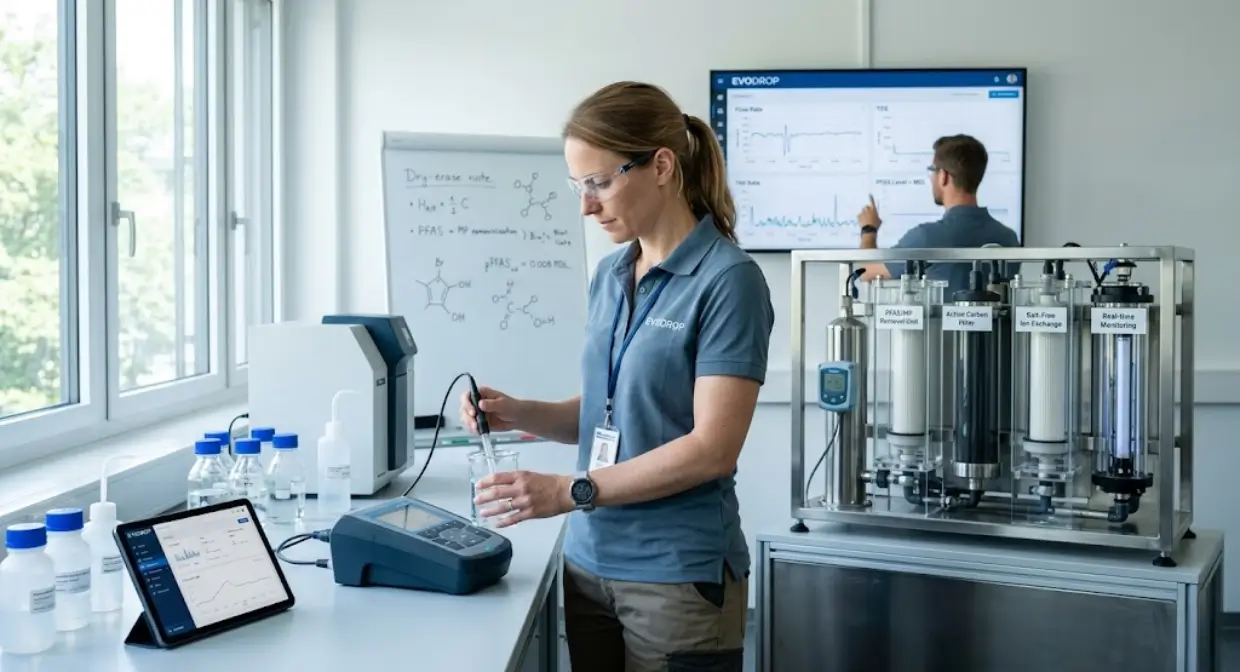
Sustainable Water Treatment: Cleaner Water for Modern Homes
Sustainable Water Treatment
Clean water is not just something we use. It is something we depend on every day. We drink it, cook with it, shower in it, wash clothes with it, and use it to keep our homes clean. Still, many homeowners do not think deeply about water quality until they notice a problem.
That problem can be hard water stains, limescale on taps, bad taste, chlorine smell, cloudy water, or concern about modern contaminants such as PFAS and microplastics. Today, water treatment is not only about improving taste. It is also about health, home comfort, appliance protection, and environmental responsibility.
Safe and available drinking water is important for public health, domestic use, food preparation, and daily life, according to the World Health Organization. Better water management also supports healthier communities and stronger living conditions.
Why Water Quality Matters More Than Before
In the past, many people only cared if water looked clean. If it was clear, they assumed it was safe and good enough. But water quality is more complex than appearance.
Water can contain minerals, chlorine, sediment, metals from old pipes, and small traces of unwanted substances. Some of these may affect taste and smell. Others may affect plumbing, appliances, or long-term confidence in drinking water.
PFAS are one example. The U.S. Environmental Protection Agency explains that current scientific research suggests exposure to certain PFAS may lead to harmful health outcomes, though research is still ongoing. Microplastics are also being studied more closely. WHO has reviewed evidence on microplastics in tap water, bottled water, wastewater, and drinking water treatment.
This does not mean every home has a serious water problem. But it does mean homeowners should understand their water instead of guessing.
What Is Sustainable Water Treatment?
Sustainable water treatment means improving water quality while reducing harm to the environment. It focuses on clean water, efficient technology, less waste, and long-term use. A sustainable water system should help with one or more of these goals:
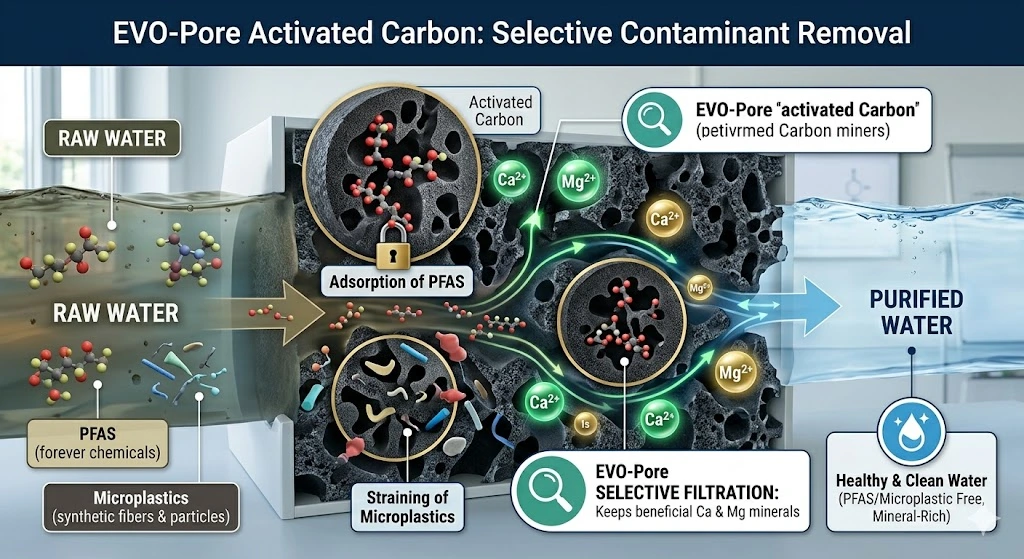
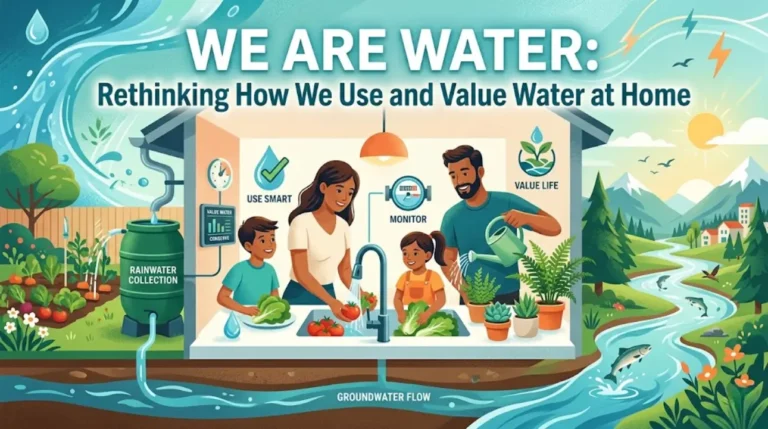
The idea behind EVODROP We are Water also follows this direction. EVODROP presents water as the foundation of life and connects home water treatment with health, sustainability, Swiss engineering, salt-free solutions, PFAS/microplastic filtration, and long-term environmental responsibility.
Remember”
Clean water is not only about drinking.
It also affects your skin, hair, plumbing, kitchen appliances, laundry, bathroom surfaces, and long-term home maintenance.
A good water treatment system should not only solve today’s issue.
It should also reduce waste, protect useful minerals, and support a healthier home environment.
Hard Water and Limescale Problems at Home
Hard water contains minerals such as calcium and magnesium. These minerals are natural, but they can create problems when they build up inside a home. Common signs of hard water include:
Limescale can also affect water heaters, boilers, washing machines, coffee machines, and dishwashers. When scale builds up, appliances may work harder. This can increase energy use and maintenance needs over time. For this reason, many homeowners look for limescale protection. But the method matters.
The Problem With Traditional Salt-Based Water Softeners
Salt-based water softeners are common in many homes. They usually work by replacing hardness minerals such as calcium and magnesium with sodium or potassium ions.
This can reduce hard water problems, but it can also create salty wastewater. The EPA notes that increased salt concentrations in freshwater are linked to human activities including water softening, road salt, mining, oil extraction, wastewater, and other sources. Too much salt can harm aquatic life, pollute drinking water sources, and damage infrastructure.
This is one reason many people now search for salt-free or low-waste alternatives. They want cleaner water without creating unnecessary environmental pressure.
PFAS, Microplastics and New Water Concerns
Modern water concerns are not limited to hardness. Many homeowners are also learning about PFAS and microplastics.
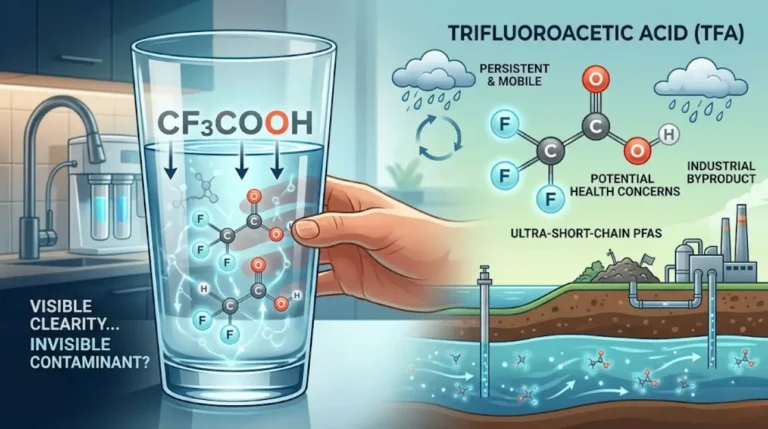
PFAS are often called “forever chemicals” because some of them break down very slowly. They are used in many industrial and consumer products, and they can enter the environment in different ways. The EPA says research suggests exposure to certain PFAS may be linked to adverse health outcomes.
Microplastics are tiny plastic particles that may come from larger plastic breakdown, packaging, textiles, and other sources. WHO has examined how microplastics appear in the water cycle, including drinking water and wastewater treatment.
Why Water Testing Should Come First
Before buying a water treatment system, homeowners should test their water. This step helps avoid the wrong purchase. A water test can show:
Not every home needs the same system. One home may need limescale control. Another may need drinking water filtration. Another may need a solution for old pipes. Testing gives a clearer starting point.
What to Look for in an Eco-Friendly Water System
When choosing a water system, do not only check the price. Look at long-term value, maintenance, waste, and environmental impact. A better system should offer:
1. Low Waste
Some systems waste water during cleaning or regeneration. A sustainable system should reduce unnecessary water loss.
2. Salt-Free or Reduced-Salt Operation
Where possible, homeowners should consider options that reduce salt discharge and protect local water systems.
3. Mineral Balance
Some systems remove nearly everything from water. In many homes, people prefer systems that reduce unwanted substances while keeping useful minerals.
4. Strong Filtration Performance
If the goal is drinking water safety, check what the system is tested to reduce. Do not rely only on marketing claims.
5. Durable Build Quality
Long-lasting materials reduce replacement waste and support better value.
6. Simple Maintenance
A system that is too hard to maintain may stop working properly. Easy maintenance helps keep performance consistent.
Benefits of Sustainable Water Treatment
A good water treatment system can support both home comfort and environmental goals. Main benefits include:
Final Thoughts
Water is part of every home. It affects drinking, cooking, cleaning, bathing, appliances, plumbing, and daily comfort. That is why water treatment should not be treated as a small upgrade. It is an important home decision.
Modern homeowners need systems that do more than remove one problem. They need solutions that improve water quality, reduce limescale, protect appliances, lower waste, and support environmental responsibility.
Sustainable water treatment is not just about cleaner water today. It is about making smarter choices for the future. With better testing, better technology, and more awareness, every home can move toward safer, cleaner, and more responsible water use.
FAQs
What is sustainable water treatment?
Sustainable water treatment means improving water quality while reducing waste, chemical use, salt discharge, and environmental impact.
Is hard water unsafe to drink?
Hard water is usually not unsafe, but it can cause limescale, appliance issues, stains, and cleaning problems inside the home.
Why are salt-based water softeners a concern?
Salt-based softeners can create salty wastewater. Too much salt in freshwater can harm aquatic life and pollute drinking water sources.
Should I test my water before buying a filter?
Yes. A water test helps you understand your real water problem, so you can choose the right system.
What is the best water treatment system for a home?
The best system depends on your water quality, home size, budget, and main concern, such as hardness, taste, PFAS, microplastics, or old pipes.